 Economic Focus
That was when Pepsi took out full page ads that damningly said: "The Other Guy Blinked".
Well, I guess it's Pepsi's turn now to be rescued from its glaucoma.
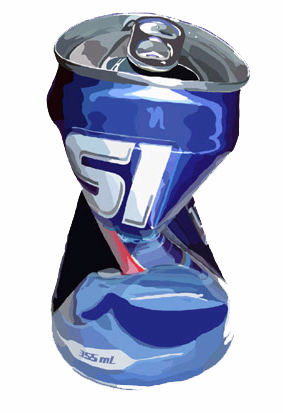
Changing the design of its cans for a new look every three to four weeks?
To attract teens who are always looking for something new?
You've got to be kidding me. What happened to Marketing 101 about the sanctity of packaging design? Did those marketing geniuses at Pepsi get brain freeze at the Dairy Queen?
When I was brand manager of Wisk laundry detergent for Unilever, we agonized over changing the red on the label.
Look at the Target bulls-eye, still there. Same for Dove.
Consumer goods move through the minds of teenagers at light speed. They will forget that Pepsi can faster than their next sip of Mountain Dew.
Brands are supposed to gain value over time (look what the Johnson and Johnson corportaion paid for 120-year-old Listerine) and their packages are what helps them stand the test of time. Otherwise, how do you really know what's inside?
The teens who are being marketed to by Pepsi will be adults some day. Do you think they will still remember that cool Pepsi can from 20 years ago. The best antidote for mild Alzheimer's isn't medicine, it's brand names.
Guess which brand tops the BusinessWeek survey: Coca-Cola.
Guess which brand isn't in the top 20: Pepsi.
Hmmmnnnn
The issue isn't the package. The issue is the type and quality of product you deliver consistently over time to meet consumer needs. The package is the signpost, the flag, kind of like those flags the samurai warriors follow in the Akira Kurosawa movies.
The risk for Pepsi is that, next month and for the next decades to come, they have those teens mindlessly running all over the place, occasionally bumping into Pepsi, occasionally bumping into other things. That's what teens do anyway -- until they grow up.
And then they buy the brands they
know and trust. The brands that have
always consistently been there.
Okay, Coke, now YOU can say the other
guy blinked.